Buenos Aires is back on the international travel radar as one of the best cities to visit in 2026. The city was recognized by the Wanderlust Reader Travel Awards as one of the world’s most desirable cities to visit, and was also included by Time Out among the best cities in the world for 2026.
But beyond the natural excitement that comes with international recognition, there’s a more interesting question: what is it about Buenos Aires that continues to fascinate travelers from around the world?
The answer is not only in its landmarks, or in a postcard-perfect tango scene, or in a famous steakhouse. Buenos Aires attracts visitors because it is a city experienced in layers. It has European elegance, Latin American chaos, neighborhood life, historic cafés, bookstores, theaters, football, food, street art, architecture, conversation, and an energy that is hard to capture in a single image.
Buenos Aires is not a perfect city. And perhaps that is part of its charm. It is intense, contradictory, walkable, nocturnal, nostalgic, and modern all at once. Visiting it is not just about “seeing places” — it is about stepping into a rhythm.
Why Buenos Aires Is One of the Best Cities to Visit in 2026
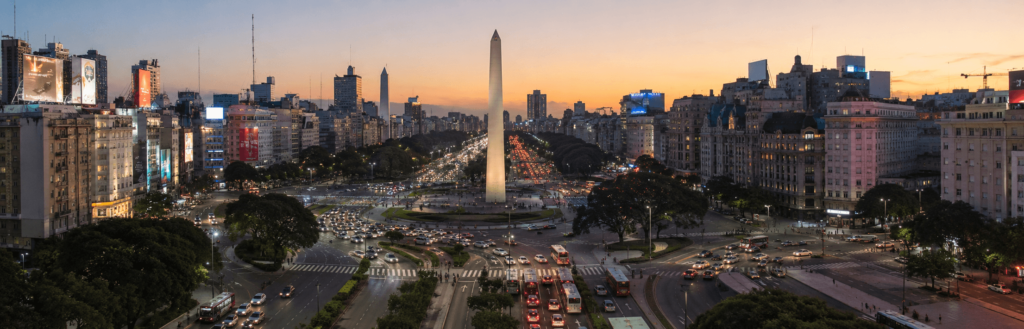
Many tourist cities can be understood through their most famous landmarks: a tower, a museum, a beach, a square. Buenos Aires has icons, of course: the Obelisk, Teatro Colón, Caminito, Casa Rosada, Recoleta, San Telmo, Puerto Madero. But reducing it to those alone would mean only scratching the surface.
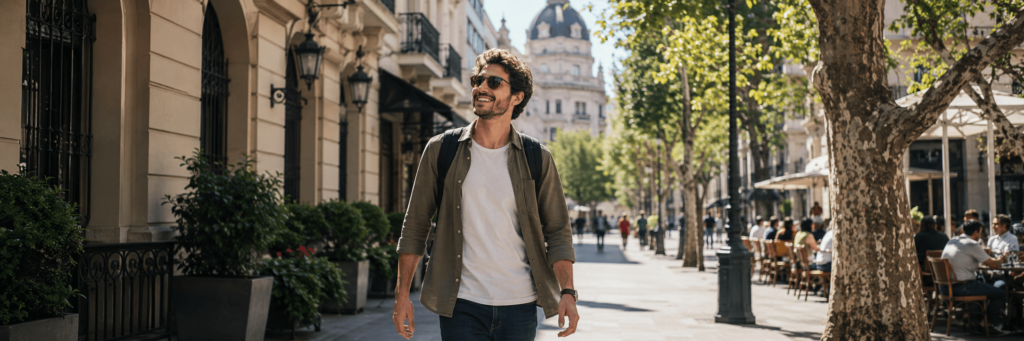
What makes Buenos Aires special is that the experience does not depend solely on visiting an attraction, but on walking from one to the next. Sometimes the strongest memory of a trip is not a monument, but a café table, a bookstore stumbled upon by chance, a conversation with a waiter, a tree-lined corner in Palermo, or an old façade that appears without warning.
The city has the perfect scale for that. It is big, but not overwhelming. Its neighborhoods have strong, distinct identities, yet they are well connected. In just a few minutes, you can go from a monumental avenue to a quiet street. And that constant transition is one of its greatest strengths.
That is why, when Buenos Aires appears in international rankings, it is worth seeing it less as a tourism badge and more as confirmation of something many travelers already sense: the city has a personality of its own — recognizable and hard to replicate.
Neighborhood Life: Buenos Aires’ True Luxury
One of Buenos Aires’ greatest attractions is not found in the extraordinary, but in the everyday. The city has preserved something many capitals have lost: neighborhoods with real life.
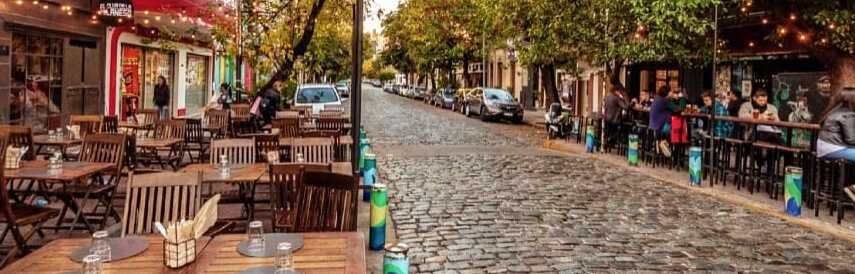
Palermo is not just bars and design. It is also long sidewalks, trees, bakeries, low-rise houses, cafés packed in the middle of the afternoon, and people who always seem to have another meeting to get to. San Telmo is not just markets and antiques. It is history, architecture, tango, old bars, and a slower way of walking. Recoleta is not just elegance: it is museums, squares, bookstores, monumental cemeteries, and a more classic side of Buenos Aires. Núñez and Belgrano reveal a residential, green city, close to the river and to football.
On the city’s official tourism website, Buenos Aires is presented as a destination shaped by neighborhoods full of history, food, tango, culture, nightlife, and sporting passion. That breadth helps explain why the Buenos Aires experience does not fit into a single category. The city can be sophisticated, popular, melancholic, noisy, or intimate depending on the neighborhood and the time of day. You can explore more on the official Visit Buenos Aires website.
That neighborhood diversity is key for today’s traveler, who is no longer looking only to “see the must-sees,” but to feel that they have been somewhere with a real identity.
That is why neighborhood life is one of the strongest reasons Buenos Aires stands out as one of the best cities to visit in 2026.
Food: Much More Than Steak and Parrillas
For years, Buenos Aires food was summed up in three words: steak, pizza, and empanadas. And while those classics remain an essential part of the city, Buenos Aires today offers a much broader culinary scene.
There are historic parrillas, family-run bodegones, contemporary restaurants, wine bars, specialty coffee shops, vegetarian spots, signature cuisine, vermouth bars, food markets, and a new generation of chefs engaging with tradition without simply repeating it.
The appeal of Buenos Aires’ food scene is not just about eating well. It is about the social way people eat. Meals linger. Time spent at the table matters. Coffee is not just a drink, but an excuse to stay a little longer. Bodegones do not simply serve generous portions: they serve memory, belonging, and a certain idea of the city.
Por eso, si estás preparando un recorrido gastronómico, también podés leer nuestra guía sobre qué hacer en Buenos Aires de noche, donde la ciudad muestra otra de sus caras más reconocibles: bares, restaurantes, movimiento nocturno y planes que empiezan cuando baja el sol.
The Bodegón as Everyday Heritage
In few cities can eating at a neighborhood restaurant feel as cultural as visiting a museum. In Buenos Aires, the bodegón holds that place. It is not just a culinary category: it is an entire scene.
Simple tablecloths, generous plates, seasoned waiters, walls filled with history, families, tourists, neighbors, the clink of glasses, portions made for sharing, and a menu where recipes that do not need to become trendy still survive.
The Buenos Aires bodegón says something profound about the city: Buenos Aires values what is new, but still feels moved by what endures.

A Walkable Cultural Capital
Buenos Aires has a very particular relationship with culture. It does not reserve it only for major institutions, although it has plenty of them. Teatro Colón, museums, the Book Fair, cultural centers, and independent venues coexist with neighborhood bookstores, literary cafés, murals, street markets, film series, and small theaters.
That mix makes culture feel less like a separate plan and more like part of urban life. In some cities, you “go to culture.” In Buenos Aires, very often, culture appears along the way.
A recent report by El País described Buenos Aires as a city with a special connection to books, shaped by a deep tradition of bookstores, cafés, and meeting places centered around reading. That literary dimension remains one of the Argentine capital’s most distinctive features: you can read more in this article about Buenos Aires as a book lover’s paradise.
And it is not just about the number of bookstores. It is about how they function. Many are not simply shops: they are refuges, places for conversation, small cultural hubs. At a time when many cities are starting to look alike, Buenos Aires still preserves spaces with real character.
Bookstores, Cafés, and Theaters: An Identity That Cannot Be Manufactured
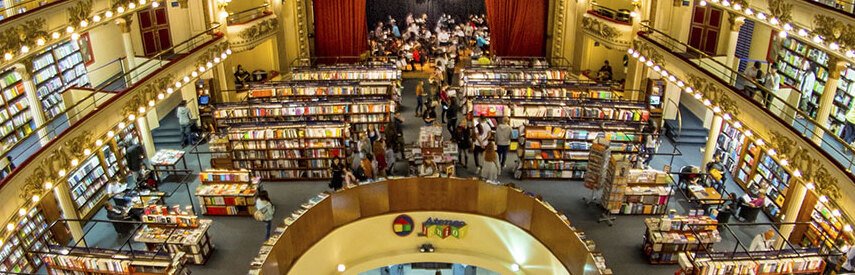
El Ateneo Grand Splendid usually gets all the photos, and rightly so. But the city’s reading culture does not end there. Avenida Corrientes, Palermo, San Telmo, Almagro, Villa Crespo, and Chacarita are home to bookstores that are large, small, new, secondhand, specialized, or independent.
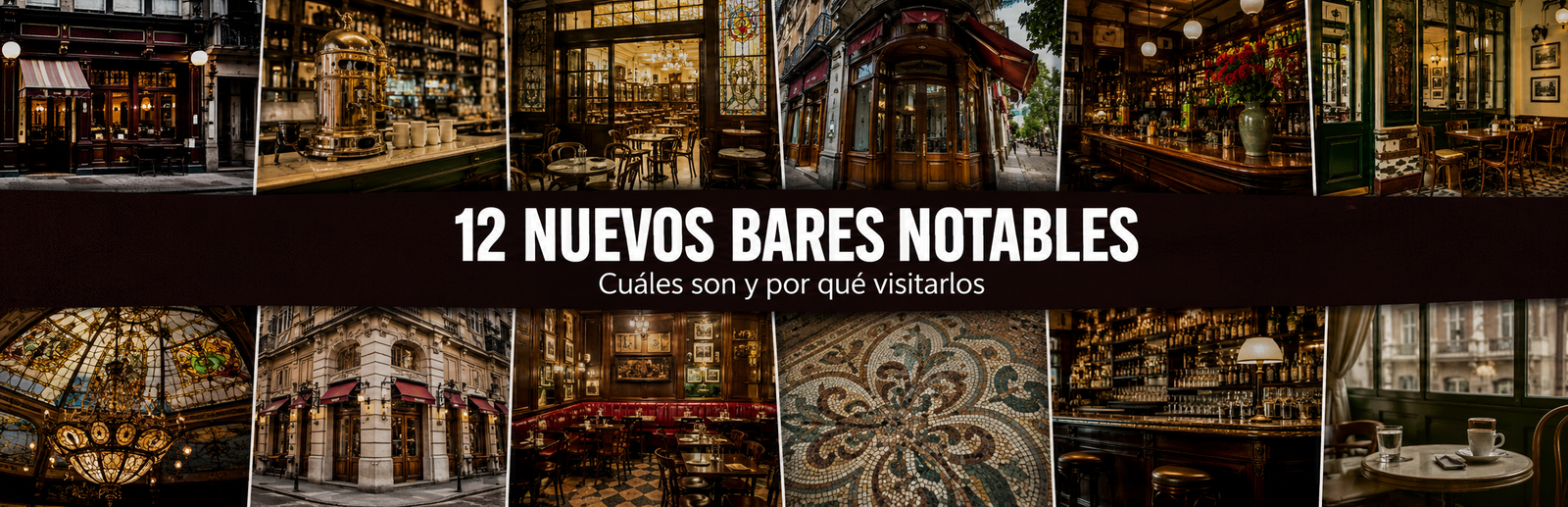
The same is true of cafés. Some are historic cafés and part of the city’s official heritage; others simply serve as the city’s emotional offices. People read there, work, argue, wait, write, and watch the afternoon go by.
Buenos Aires has something that cannot be built overnight: cultural depth. It does not depend only on an events calendar, but on an urban habit.
Buenos Aires Nightlife Remains One of the City’s Greatest Distinctions
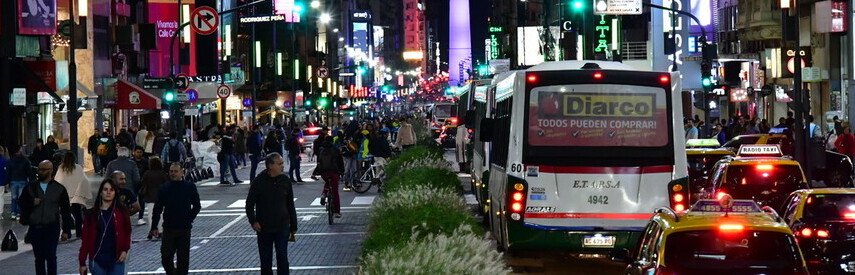
Some cities shut down early. Buenos Aires does not. Nightlife is a central part of the city’s identity, and not just because of its bars or clubs. It is also about late dinners, theater, live music, evening walks, rooftop terraces, pizza after a show, cafés open late, and that feeling that there is always something else to do.
This does not mean every trip has to be late-night or intense. But it does explain why Buenos Aires feels so alive. The city has long hours, long conversations, and plans that rarely end after the first stop.
For many visitors, that difference is memorable. It is not just about “going out at night,” but about discovering a city that carries much of its social life into the hours when other destinations have already shut down.
To explore this side of the city in more depth, you can also read our article on Buenos Aires at night: what to do, where to go out, and how to experience the city after sunset.
A City of Events, but Also of Scenes
Major events help put Buenos Aires on the map: international concerts, fairs, conferences, matches, festivals, exhibitions, theater performances, and cultural activities throughout the year. The official tourism website highlights that Buenos Aires offers thousands of events each year, from massive concerts to sporting events. You can check the calendar at Turismo Buenos Aires.
But what is interesting is not just the quantity. What matters is that these events do not take place in an empty city: they become part of scenes that already exist.
A concert at River is not just the show. It is the pre-show atmosphere in Núñez, the arrival from another province, the walk to the stadium, the packed bars, the late return, the movement across the city. A fair at La Rural is not just the event. It is Palermo, its cafés, its restaurants, its parks, its hotels, its tourists. A theater performance is not just the play. It is Corrientes, the pizza afterward, the glowing marquees, the tradition.
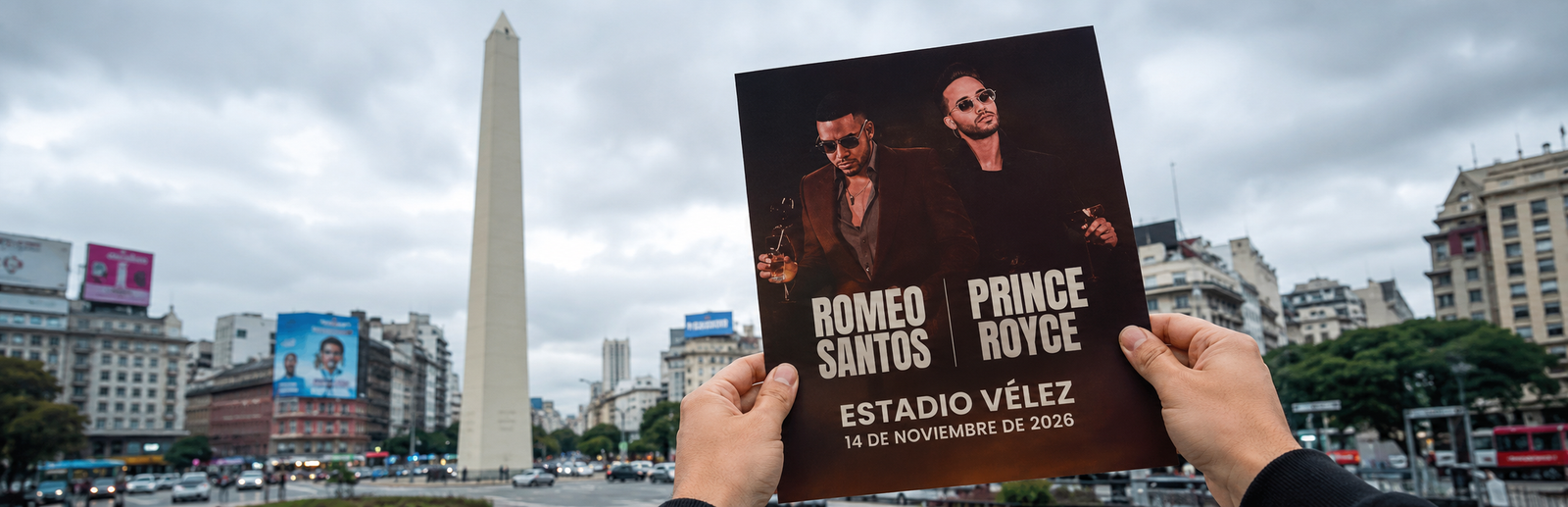
That is why, when we write about specific events like Lali at River in 2026, the focus is not only on the concert. It is everything that moves around it: people arriving, exploring, eating, waiting, meeting up, and experiencing the city for a few hours or a few days.
The Charm of an Imperfect City
Part of Buenos Aires’ magnetism comes from its beauty. But another part comes from its imperfections.
The city can be elegant and chaotic. Monumental and neglected. Warm and fast-paced. Nostalgic and modern. It has French-style buildings beside graffiti-covered shutters, bookstores next to empty storefronts, historic cafés alongside new minimalist coffee shops, grand avenues and almost secret passageways.
That coexistence gives the city texture. Buenos Aires does not feel designed only to be photographed. It feels lived in. And for many travelers, that is worth more than perfect polish.
Cities that feel too perfect can sometimes become a backdrop. Buenos Aires, by contrast, still feels like a real city.
That character also explains why so many visitors return. Not because they have “finished” seeing it, but because there is always another version still waiting: another area, another night, another bookstore, another restaurant, another neighborhood, another walk.
Buenos Aires Is Best Enjoyed with Time, but Also with Freedom
Although Buenos Aires deserves several days, many travelers experience it in fragments: a long layover, a weekend, a quick trip for a concert, a few hours before a flight, or a day between check-out and leaving for another city.
In those cases, the difference between making the most of the city and simply waiting around often comes down to logistics. It may not be the focus of the trip, but it matters. Buenos Aires is a city you walk through, step in and out of places, climb stairs, cross avenues, and improvise in. Doing all of that with luggage completely changes the experience.
That is why, for travelers passing through or dealing with split schedules between accommodation, the airport, the bus terminal, or an event, it can be useful to plan ahead where to leave your luggage. At Luggage Storage BA, we offer strategically located storage points where you can leave your suitcases, backpacks, or bags and explore the city with more freedom.
The idea is not to turn every outing into a logistics operation. Quite the opposite: it is to keep logistics from ruining the experience.
So, Why Buenos Aires?
Buenos Aires was named one of the best cities to visit in 2026, but its appeal cannot be explained by an award alone. Rankings help bring it into the conversation, but the city already had plenty of reasons to stand out.
Buenos Aires gusta porque tiene identidad sin pedir permiso. Porque no ofrece una experiencia cerrada, sino muchas posibles. Porque se puede recorrer desde la gastronomía, la literatura, la arquitectura, el fútbol, el teatro, la noche, los barrios o simplemente desde la caminata.
Gusta porque conserva algo profundamente urbano: la posibilidad de perderse un poco y encontrar algo. Una mesa libre en un café. Una librería abierta. Una fachada inesperada. Una conversación. Una esquina que parece de otra época. Una noche que se alarga. Una ciudad que no se entrega completa en la primera visita.
Perhaps that is why Buenos Aires keeps appearing in international rankings. Not because it is easy to sum up, but precisely because it is not: because it is still a city you have to experience to understand.