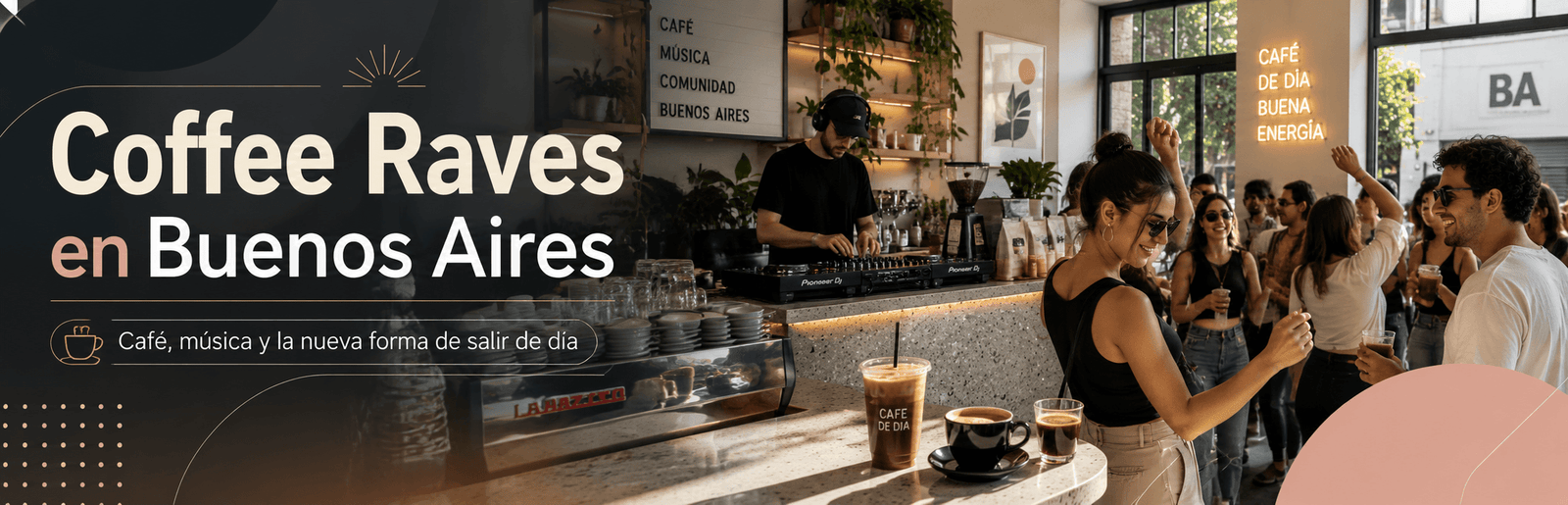
Buenos Aires has always had two rituals of its own: meeting up for coffee and going out to listen to music. For decades, historic cafés, neighborhood coffee shops, and long nights have been part of the city’s DNA. But in recent years, coffee raves in Buenos Aires have emerged as a trend that blends those worlds in a different way.
The idea seems simple, but it works: a coffee shop, specialty coffee, DJ sets, people dancing, an urban aesthetic, and a schedule that breaks away from the logic of traditional nightlife. Instead of starting the party in the early hours of the morning, a coffee rave can begin in the morning, at midday, or in the afternoon. And instead of alcohol being at the center of the experience, coffee takes the spotlight.
And in a city like Buenos Aires, where coffee is a meeting point, an excuse to talk, and part of everyday life, the trend found the perfect place to grow.
What Is a Coffee Rave?
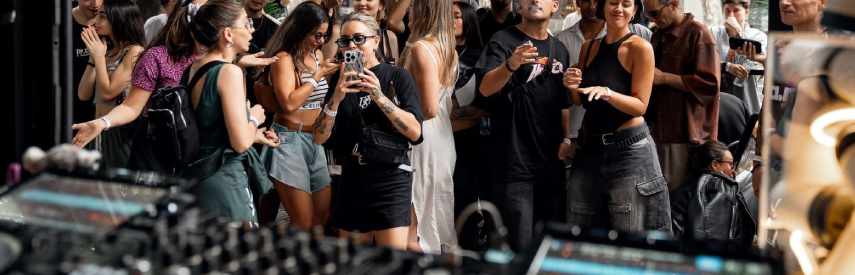
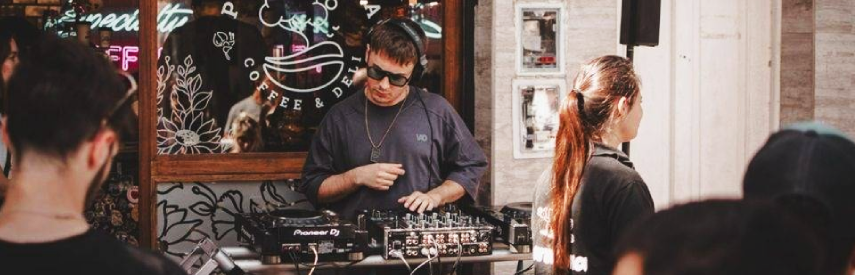
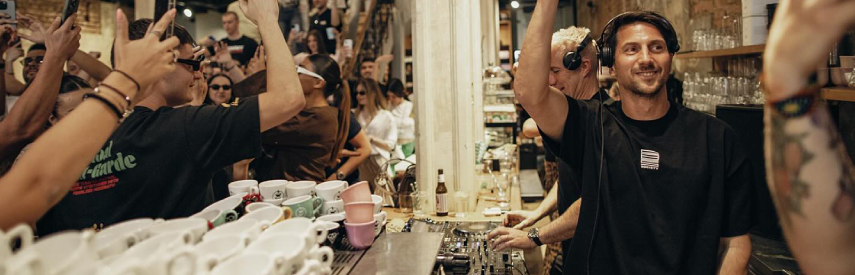
A coffee rave is a daytime party that combines specialty coffee, electronic music, and a more relaxed social experience than traditional nightlife.
It is not simply about having coffee with music in the background. The concept is usually curated: DJs, visuals, carefully designed aesthetics, coffee bars, cold drinks, matcha, pastries, art, fashion, or even creative interventions depending on the event.
In Buenos Aires, outlets like Time Out have already described this phenomenon as a fusion between specialty coffee culture and raves, with events that can take place in the morning or later in the afternoon. (timeout.com)
The main difference is the atmosphere. A coffee rave does not try to copy the nightclub experience at an earlier hour, but to create a different kind of energy: brighter, more social, more spontaneous, and less tied to the night.
Why Coffee Raves Became a Trend
Coffee raves have emerged at a time when many people are looking for new ways to go out. Not everyone wants a long night, alcohol, lines, expensive cover charges, and a plan that ends at six in the morning.
There is a generation that also wants experiences that are shorter, healthier, more shareable, and more connected to urban lifestyle. In that context, coffee becomes the perfect excuse: it energizes, brings people together, and builds community without turning the outing into a heavy night out.
The rise of specialty coffee also plays a role. Buenos Aires has more and more coffee shops with their own identity, baristas, pour-over methods, cold brew, carefully crafted blends, and spaces designed for people to stay awhile. The coffee rave takes that culture one step further: it turns the coffee shop into a dance floor.
Buenos Aires: An Ideal City for This Phenomenon
Buenos Aires has something few cities combine so well: a deep coffee tradition, intense cultural life, and a strong connection to the street.
The city was already used to gathering in cafés. From historic bars in the city center to modern coffee shops in Palermo, coffee in Buenos Aires has never been just a drink: it has been a meeting point, conversation, reading, work, a date, a pause, and a ritual.
That is why coffee raves do not feel so out of place. They are an evolution of something Buenos Aires was already doing: gathering around a table, but now with music, movement, and a more contemporary aesthetic.
In neighborhoods like Palermo, Chacarita, Colegiales, or Villa Crespo, where specialty coffee shops, creative studios, markets, galleries, and food concepts coexist, this kind of event fits naturally. It can also connect with more classic areas, such as San Telmo or the Microcentro, where coffee culture has a much longer history.
If you are exploring the city and want to plan something in that area, Palermo is one of the neighborhoods where this mix of coffee, design, music, and urban life is best understood. It is also an easy area to explore on foot, combining coffee shops, stores, bars, and other nearby plans.
Coffee Rave vs. Traditional Party
Although the word “rave” suggests electronic music and dancing, a coffee rave does not follow exactly the same logic as a nighttime party.
Opening Hours
A traditional party usually starts late. A coffee rave, on the other hand, can happen in the morning, at midday, or in the afternoon. That completely changes the energy of the plan.
You can dance, have something good to drink, and then carry on with your day. It does not necessarily mean losing the night or rearranging your entire next day.
Drink
In a classic night out, alcohol usually takes center stage. At coffee raves, coffee takes on that role. There may be espresso, cold brew, lattes, iced drinks, matcha, juices, or alcohol-free options.
This also connects with a broader global trend: social plans where not everything revolves around drinking alcohol.
Location
Coffee raves usually take place in coffee shops, cultural spaces, rooftop venues, galleries, or temporary locations. This creates a more intimate and less rigid atmosphere than a traditional nightclub.
Often, the appeal is not only in the music, but in discovering a new place.
Audience
The audience is usually diverse: coffee lovers, music fans, tourists, creatives, digital nomads, curious locals, and people who simply want to try something different.
You do not need to “belong” to an electronic music scene to enjoy it. That is part of its charm.
Where to Find Coffee Raves in Buenos Aires
Coffee raves are usually announced mainly through Instagram and social media. They do not always work as fixed events in the same place, but rather as itinerant experiences that change coffee shops, neighborhoods, or formats.
In Buenos Aires, projects connected to this trend have already emerged, such as AM Coffee Rave and Espresso Club Radio, mentioned by local and international media specializing in urban plans. Time Out has highlighted events that combine coffee, electronic music, art, and community in different locations across the city. (timeout.com)
Baires Secreta also noted that some coffee raves in the city are organized on a rotating basis, with upcoming dates and locations announced through social media. (bairessecreta.com)
That is why, instead of looking for one fixed address, it is better to follow coffee shops, cultural producers, and Buenos Aires event guides on social media. Dates are often announced with little notice, sell out quickly, or change depending on the season.
Why They Connect So Well with Tourists and Digital Nomads
For someone visiting Buenos Aires, a coffee rave can be a very interesting way to discover a less obvious side of the city.
It is not the classic circuit of tango, steak, and landmarks. Nor is it just a pretty coffee shop for taking photos. It is a local, urban, and very current experience.
For young travelers, international students, or digital nomads, this kind of plan makes a lot of sense: it lets you meet people, discover neighborhoods, listen to music, try local coffee, and experience the city through a more everyday scene.
And because they take place during the day, they are easy to combine with other plans. You can go to a coffee rave in Palermo and then walk around shops, squares, or restaurants. Or you can add one to a day spent exploring the city center, San Telmo, or nearby areas.
If you are passing through Buenos Aires and need to move around lightly during the day, you can check out luggage storage in Palermo or luggage storage in Retiro / Microcentro, depending on the neighborhood where your plan is. The idea is not for your luggage to define your route, but to make sure it does not limit it.
How to Get Ready for a Coffee Rave
Going to a coffee rave does not require much planning, but a few small details can make the experience better.
Check the Date and Location
Many events are itinerant. Do not assume they always take place in the same venue. Check the address, time, and whether you need to book a ticket in advance.
Arrive Early
Since these events are usually smaller than a traditional party, capacity may be limited. Arriving early also gives you time to enjoy the coffee, get to know the venue, and settle in before it gets crowded.
Do Not Expect a Conventional Party
The whole point is that it does not work like a nightclub. There may be dancing, but also conversation, coffee, art, people coming and going, and a more relaxed energy.
Dress Comfortably
There is no strict dress code, but the vibe is usually urban, casual, and creative. Comfortable clothes, sneakers, and something you can wear both for dancing and for continuing to walk around the city afterward.
Combine the Plan with the Neighborhood
A coffee rave can be the starting point for a wider itinerary. If it is in Palermo, you can continue with coffee shops, design stores, galleries, or bars. If it is in the city center, you can combine it with Avenida de Mayo, San Telmo, or a historic café.
A Trend That Says a Lot About the City
Coffee raves are interesting not only because they mix coffee and music, but because they show how the way people experience Buenos Aires is changing.
The city is no longer experienced only at night. More and more daytime plans, hybrid experiences, and events are emerging that bring together food, music, design, and community.
In that sense, coffee raves are not just a passing trend. They are part of a bigger shift: going out does not always have to mean staying up late, drinking alcohol, or going to a dark, enclosed venue. It can also mean dancing at three in the afternoon with an iced coffee in hand, meeting new people, and discovering a coffee shop that was not even on your radar yesterday.
Buenos Aires has always known how to reinvent its rituals. Coffee has been a gathering, an improvised office, a lingering conversation after a meal, a date, and a refuge. Now, it can also be a dance floor.
And perhaps that is the most Buenos Aires thing of all: turning any excuse into a reason to come together.